
As I pulled open my cookbook, the warm scent of melted butter and freshly cracked eggs wafted into the air, instantly transporting me to a charming Parisian café. This is where my love for French Baked Eggs, or Oeufs Cocotte, truly began. Perfect for breakfast, brunch, or even a cozy dinner, this recipe is a delightful blend of simplicity and sophistication. In just 20 minutes, you can create a customizable dish that caters to every dietary need—from gluten-free to vegetarian. You’ll love how easy it is to whip up wholesome ingredients like creamy goat cheese and fresh herbs, allowing your creativity to shine. So, are you ready to indulge in this French favorite and make every meal feel a little more special?
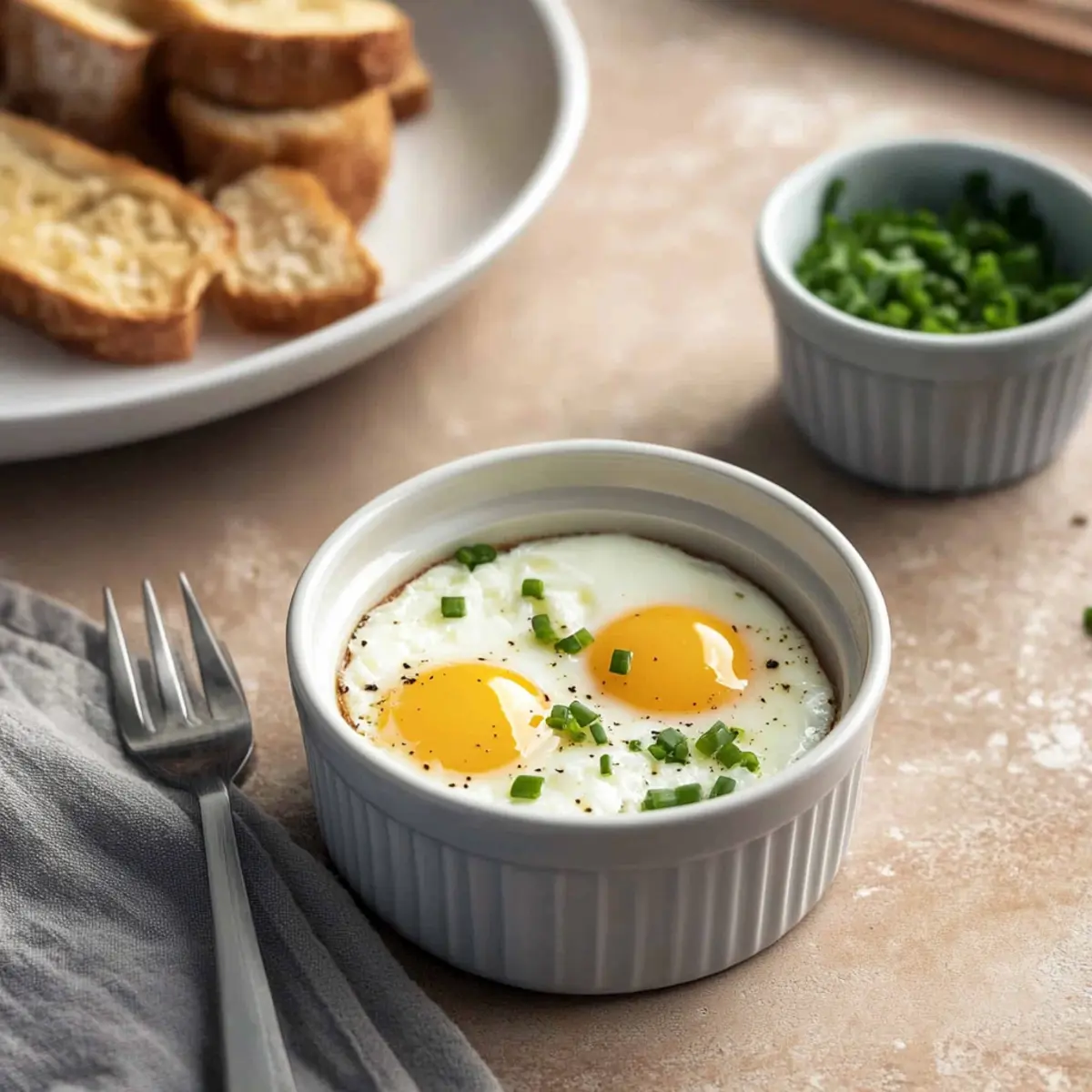
Why are French Baked Eggs irresistible?
Simplicity Meets Elegance: This French Baked Eggs recipe is not only easy to make but also exudes sophistication, making it a perfect fit for any occasion.
Customizable Flavor: With numerous variations, you can tailor it to your taste—add sautéed veggies or substitute cheeses to suit dietary preferences.
Quick and Convenient: In just 20 minutes, you can serve a delightful dish that impresses friends and family without a fuss.
Comfort Food Reinvented: Creamy, cheesy goodness combined with perfectly cooked eggs creates a satisfying experience that keeps you coming back for more.
Wholesome and Nutritious: Packed with protein and fresh herbs, it’s a guilt-free indulgence that keeps breakfast exciting. Pair it with some toasted gluten-free bread for an unforgettable meal. For more delicious recipes, check out Savory Baked French and French Onion Soup.
French Baked Eggs Ingredients
• Discover how to make your own delicious French Baked Eggs with these essential ingredients!
For the Base
- Butter – Adds richness and helps prevent sticking; can substitute with olive oil for a dairy-free option.
- Crème Fraîche/Heavy Cream/Full-Fat Yogurt – Provides creaminess; swap with dairy-free cream for a vegan version.
For the Eggs
- Eggs – The star of the show, delivering protein and structure; fresh eggs are best for optimal flavor.
For the Flavor
- Goat Cheese – Infuses a tangy flavor and creamy texture; substitute with feta or your favorite cheese.
- Chives and Parsley – Fresh herbs add flavor and brightness; feel free to use other herbs like dill, thyme, or oregano.
- Salt and Pepper – Essential for enhancing flavors; adjust to your taste preference.
Enjoy making your French Baked Eggs with these simple ingredients!
Step‑by‑Step Instructions for Customizable French Baked Eggs (Oeufs Cocotte)
Step 1: Preheat and Prepare
Begin by preheating your oven to 350°F (175°C), ensuring it’s ready to create the perfect environment for your French Baked Eggs. While the oven warms up, fill a kettle with water and bring it to a boil. This hot water will be used for creating a gentle water bath that promotes even cooking.
Step 2: Butter the Ramekins
Generously butter four 4-5 ounce ramekins, making sure to coat the sides thoroughly. This step is crucial as it prevents the eggs from sticking, allowing for an easy release once baked. Set the buttered ramekins aside, ready for the luscious ingredients that will follow.
Step 3: Add the Creamy Base
Spoon an even layer of crème fraîche, heavy cream, or yogurt—whichever you prefer—into the bottom of each ramekin. Aim for about one to two tablespoons per ramekin, creating a base that adds richness to your French Baked Eggs. This creamy layer is essential for achieving that indulgent flavor.
Step 4: Crack the Eggs
Carefully crack one fresh egg into each ramekin, taking care to keep the yolk intact. The visual of the bright yellow yolk atop the creamy base is indeed a sight to behold! Each egg will nestle beautifully into the richness below, setting the stage for the flavors to meld during baking.
Step 5: Season and Add Flavor
Sprinkle crumbled goat cheese, fresh herbs, salt, and pepper evenly over the cracked eggs. Allow your creativity to shine by customizing with your favorite cheese or herbs. This step introduces delightful flavors and aromas that elevate the overall dish, ensuring it caters to your taste.
Step 6: Create the Water Bath
Place the filled ramekins in a large baking dish, carefully arranging them so they fit snugly. Once nestled, pour the boiling water into the baking dish—filling it halfway up the sides of the ramekins. This water bath technique keeps the baking temperature steady, crucial for achieving perfect results with your French Baked Eggs.
Step 7: Bake to Perfection
Slide the baking dish into the preheated oven and bake for 14-16 minutes for runny yolks or 16-18 minutes for jammy yolks. Keep an eye on the ramekins; gently jiggle one to check doneness. The whites should be set, while the yolks will provide that lovely creamy finish once plated.
Step 8: Serve Warm
When your French Baked Eggs are perfectly baked, carefully remove the dish from the oven. Use a spatula or mitts to lift the ramekins, allowing them to cool slightly. Serve immediately, accompanied by toasted bread for a delightful dipping experience. Enjoy this creamy, comforting dish!

Expert Tips for French Baked Eggs
-
Use Fresh Ingredients: Fresh eggs and high-quality crème fraîche or yogurt make a noticeable difference in flavor and texture. Always choose the best for your French Baked Eggs.
-
Monitor Baking Time: Eggs can quickly overcook and turn rubbery. Begin checking at 14 minutes for runny yolks, and remember, it’s better to under-bake slightly than to overdo it.
-
Customize with Care: Feel free to switch up the cheeses and herbs, but ensure your substitutions complement the creamy richness of the dish. Experiment, but aim for balanced flavors!
-
Perfect Water Bath: Always use boiling water for the baking dish to maintain steady heat. This technique is vital for even cooking, resulting in that smooth custard-like egg texture.
-
Serve Immediately: For the best experience, serve your French Baked Eggs straight from the oven. They’re at their best when warm and fresh, paired with your favorite bread for dipping.
French Baked Eggs Variations & Substitutions
Feel free to explore a world of flavors and textures with these delightful twists to the classic French Baked Eggs!
-
Dairy-Free: Substitute butter and cream with olive oil and dairy-free cream for a wholesome vegan version. This swap maintains the dish’s indulgent feel without sacrificing taste.
-
Vegetable Boost: Add sautéed spinach, mushrooms, or even roasted tomatoes to amp up the nutritional value and add a splash of color before cracking the eggs.
-
Cheese Swap: Try feta, ricotta, or aged cheddar in place of goat cheese to personalize the flavor according to your taste buds. These alternatives can enhance the creaminess and tanginess of your dish.
-
Herb Medley: Use fresh dill, basil, or oregano instead of chives and parsley for an invigorating flavor twist. Each herb imparts a unique character that freshens up the classic dish beautifully.
-
Spice It Up: Introduce a pinch of crushed red pepper flakes or smoked paprika to bring some heat to your French Baked Eggs. This little bit of spice will excite your palate and make every bite memorable.
-
Gluten-Free: Serve with gluten-free bread or even a light salad instead of traditional toast for a wholesome meal that fits dietary preferences while still being satisfying.
-
Sweet Hint: For an unexpected twist, consider adding a dollop of pesto or a sprinkle of caramelized onions before baking for a rich, aromatic flavor burst to elevate the experience.
-
Make It Hearty: Add cooked quinoa or farro as a base layer before the cream for a nutty texture and heartier breakfast; the grains provide awesome substance and lingering satisfaction.
Delight in customizing your French Baked Eggs to suit your mood and pantry. And if you’re seeking more French-inspired flavor, try this Savory Baked French or warm up with a bowl of comforting French Onion Soup. Happy cooking!
How to Store and Freeze French Baked Eggs
Fridge: Store leftover French Baked Eggs in an airtight container in the fridge for up to 3 days. Reheat gently in the oven or microwave, adding a splash of cream for moisture.
Freezer: While not ideal, you can freeze French Baked Eggs. Place cooled servings in airtight containers or freezer bags for up to 2 months. Thaw in the fridge before reheating.
Reheating: When reheating, cover ramekins with foil to prevent overcooking, and bake at 350°F (175°C) until heated through—about 10-15 minutes.
Make-Ahead: Consider prepping the components in advance. You can assemble the ramekins and refrigerate them until you’re ready to bake, making meal prep a breeze!
Make Ahead Options
These French Baked Eggs are perfect for meal prep enthusiasts! You can prepare the ramekins by buttering them and adding your chosen creamy base (crème fraîche, heavy cream, or yogurt) up to 24 hours in advance; simply cover and refrigerate until you’re ready to bake. The eggs can also be cracked into the ramekins the night before, ensuring the yolks stay intact with a gentle cover to prevent drying out. When you’re ready to enjoy your dish, just sprinkle the goat cheese, herbs, salt, and pepper before placing them in the oven with the hot water bath. This way, you’ll have a fresh, restaurant-quality breakfast with minimal effort, just as delicious as if you made it last minute!
What to Serve with Customizable French Baked Eggs?
To create a memorable meal experience, pair your French Baked Eggs with delightful side dishes and drinks that enhance their creamy goodness.
-
Toasted Gluten-Free Bread: Add a crunchy element to balance the soft, creamy eggs. Perfect for dipping into the luscious yolks!
-
Crispy Bacon or Turkey Bacon: The savory, crispy texture of bacon brings a wonderful contrast and elevates the flavors of the baked eggs.
-
Fresh Mixed Greens Salad: A light, peppery arugula or mixed greens salad dressed with a tangy vinaigrette complements the richness of the eggs beautifully.
-
Sautéed Spinach and Garlic: Earthy and nutritious, sautéed spinach adds depth and a pop of color to your meal while enhancing your egg dish.
-
Roasted Tomatoes: Juicy and slightly sweet, roasted tomatoes add a burst of flavor, making each bite feel fresh and vibrant.
-
Chilled Sparkling Water with Lemon: A refreshing drink that cleanses the palate, enhancing the overall breakfast experience. Cheers to simplicity!
-
Decadent Chocolate Croissant: For a sweet finish, indulge in a flaky chocolate croissant. Its richness and buttery layers perfectly close the meal.
These pairings will transform your breakfast into a delightful culinary escape!

French Baked Eggs (Oeufs Cocotte) Recipe FAQs
How do I choose the best eggs for French Baked Eggs?
Absolutely! When it comes to selecting the best eggs, opt for fresh, high-quality eggs to ensure a rich flavor and creamy texture. Look for eggs with a clean, uncracked shell and a bright, vibrant yolk. If you can find organic or free-range options, they often have a better taste, enhancing the delightful experience of your French Baked Eggs.
How should I store leftovers of French Baked Eggs?
Very simply! Store any leftover French Baked Eggs in an airtight container in the refrigerator. They will stay fresh for up to 3 days. When you’re ready to enjoy them again, gently reheat in the microwave or the oven, adding a splash of cream to maintain moisture and creaminess.
Can I freeze French Baked Eggs for later use?
Absolutely, you can! Although freezing alters the texture slightly, French Baked Eggs can be frozen for up to 2 months. To freeze, let the eggs cool completely, then transfer them to airtight containers or freezer bags. Thaw in the fridge overnight before reheating. When warming up, cover the ramekins with foil so they heat evenly, and bake at 350°F (175°C) until heated through, about 10-15 minutes.
What should I do if my eggs are overcooked?
If you find that your French Baked Eggs have turned rubbery, don’t despair! Sometimes, overcooked eggs can happen. Start by checking for doneness at the minimum time, and if you notice they are rubbery, remember for next time that the key to success is patience. Investing in a kitchen timer can help ensure you don’t miss that perfect moment. If they’re dry, consider serving with a little extra cream or a drizzle of olive oil to enhance moisture and flavor.
Are French Baked Eggs suitable for special diets?
Yes indeed! French Baked Eggs can easily be adapted to fit various dietary needs. For a gluten-free option, simply ensure your accompanying bread is gluten-free. If you’re looking for a dairy-free or vegan alternative, swap out the dairy ingredients for coconut cream or a dairy-free cream, and use plant-based cheese substitutes. The beauty of this recipe is in its flexibility, so feel free to experiment and personalize it according to your preferences!
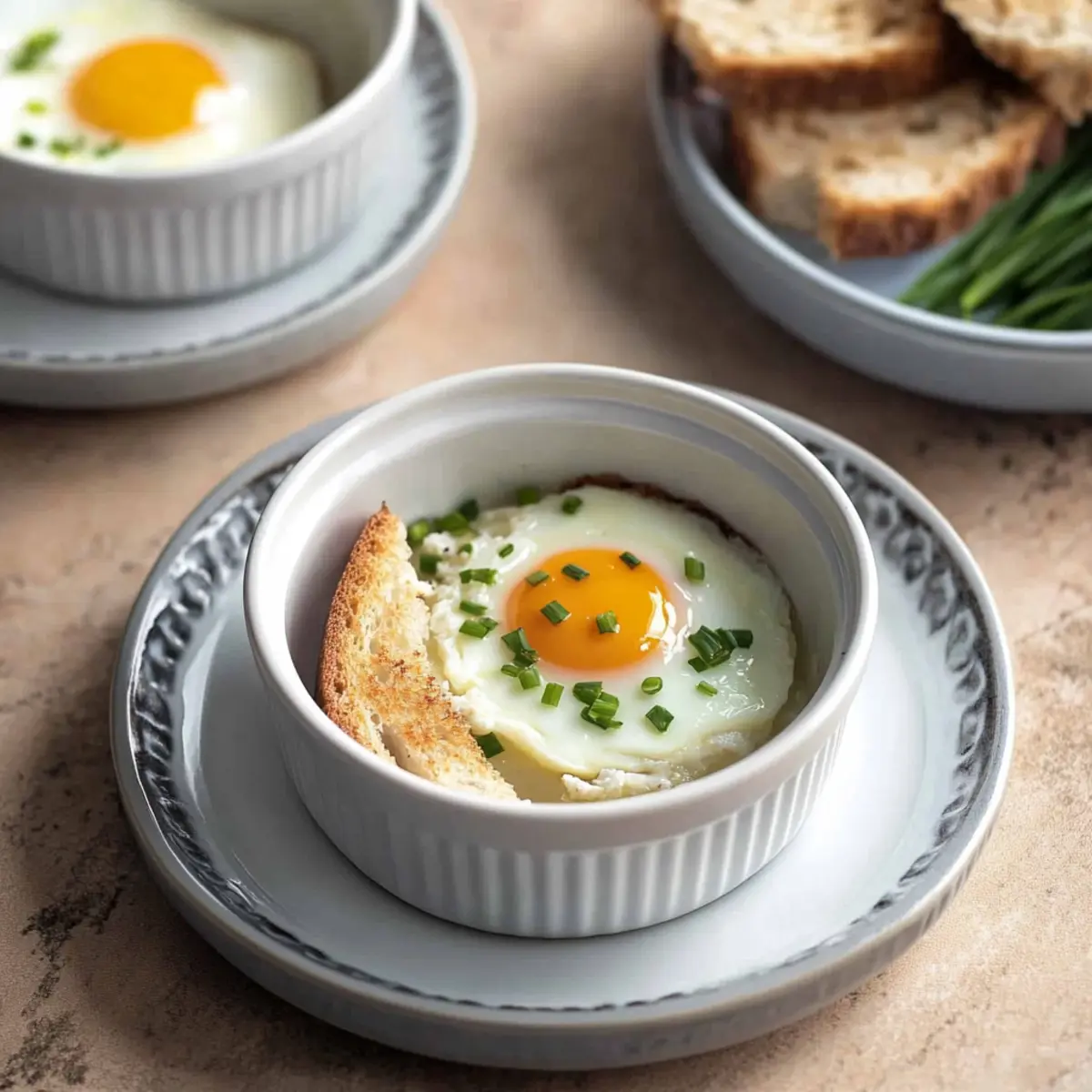
Decadent French Baked Eggs for a Cozy Breakfast Delight
Ingredients
Equipment
Method
- Preheat your oven to 350°F (175°C) and bring a kettle of water to boil for the water bath.
- Generously butter four 4-5 ounce ramekins.
- Spoon 1-2 tablespoons of crème fraîche, heavy cream, or yogurt into each ramekin.
- Crack one egg into each ramekin.
- Sprinkle goat cheese, fresh herbs, salt, and pepper evenly over the eggs.
- Place the ramekins in a large baking dish and fill it halfway with boiling water.
- Bake for 14-16 minutes for runny yolks or 16-18 minutes for jammy yolks.
- Carefully remove from the oven, let cool slightly, and serve warm with toasted bread.
Leave a Reply