
As I stared into my bustling kitchen, the variety of fresh vegetables whispering for attention, I felt the familiar urge to create something vibrant and satisfying. That’s when I decided to whip up my go-to comfort dish: Korean-style Sauteed Beef with Bean Sprouts and Cabbage. This recipe is the epitome of quick weeknight meals, bringing together tender beef and crispy vegetables in a delightful harmony of flavors. Not only is it a feast for the eyes with its colorful presentation, but it’s also gluten-free and paleo-friendly, making it a versatile choice for all. Whether you’re a seasoned home chef or a busy parent looking to incorporate homemade elements back into your family’s routine, this dish is bound to become a favorite. Curious to discover how to bring this culinary delight to your table? Let’s dive into the recipe!
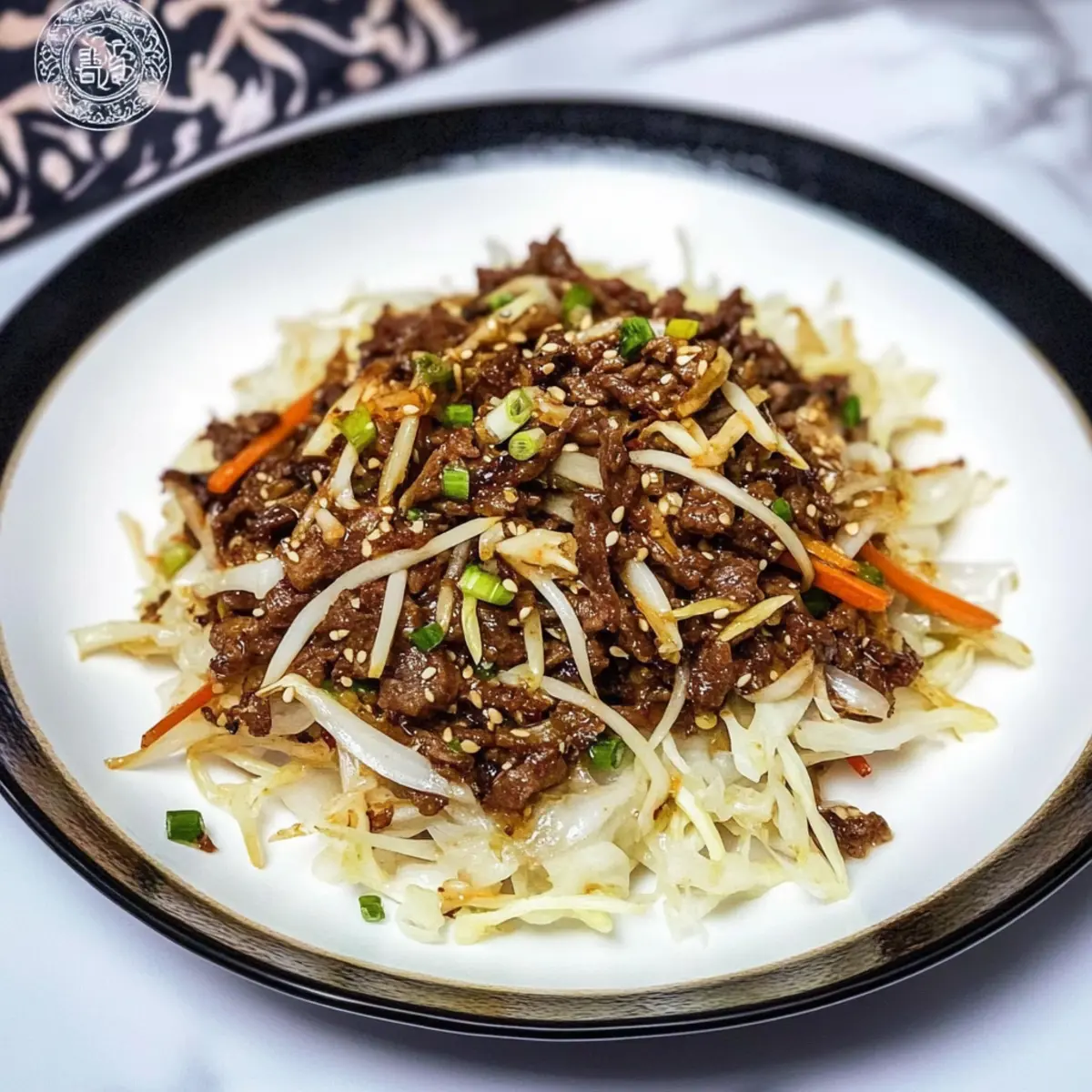
Why is this dish a weeknight winner?
Quick to Make: Dinner doesn’t need to be complicated! This recipe is perfect for busy weeknights, taking less than 30 minutes to prepare.
Savory and Satisfying: The combination of juicy beef with fresh vegetables creates a flavor explosion that will keep you coming back for more.
Health-Conscious Options: Easily tailored for gluten-free and paleo diets, so everyone can enjoy it without a worry.
Versatile Pairings: Serve it over rice, or switch things up by wrapping it in lettuce for a fresh twist. If you’re looking for more vibrant sides, check out my Warm Green Bean or Vibrant Celery Pistachios!
Crowd-Pleasing Appeal: Perfect for family dinners or gatherings, this dish satisfies both kids and adults alike. You’ll love how quickly it becomes a staple in your cooking repertoire!
Sauteed Beef with Bean Sprouts Ingredients
For the Sauce
• Soy Sauce – Provides a savory umami flavor; substitute with coconut aminos for gluten-free.
• Brown Sugar – Adds sweetness to balance the savory elements; can be replaced with raw honey for a paleo option.
• Sesame Oil – Adds rich, nutty flavor; no substitutes necessary.
• Fresh Ginger (grated) – Offers freshness and warmth; ground ginger can be used but adjust the amount to taste.
For the Beef and Vegetables
• Ground Beef – Main protein source; provides richness; can substitute with ground turkey or chicken for a lighter option.
• Garlic (minced) – Enhances flavor; essential for aroma; no substitutes needed.
• Carrots (julienned or shredded) – Adds sweetness and color; can replace with bell peppers or zucchini.
• Cabbage (shredded or coarsely chopped) – Adds crunch and nutrition; can substitute with pre-packaged coleslaw mix.
• Bean Sprouts – Contributes texture and freshness; essential for the dish; no substitutions recommended.
Step‑by‑Step Instructions for Korean-style Sauteed Beef with Bean Sprouts and Cabbage
Step 1: Prepare the Sauce
In a medium bowl, whisk together ⅓ cup of soy sauce, 1 tablespoon of brown sugar, 2 tablespoons of sesame oil, and 1 tablespoon of grated fresh ginger. Mix the ingredients thoroughly until the sugar dissolves. This savory sauce will enhance your Korean-style Sauteed Beef with Bean Sprouts and Cabbage, providing a delightful balance of flavors.
Step 2: Cook the Beef
Heat a large skillet over medium heat for about 1-2 minutes before adding 1 pound of chopped ground beef. Cook the beef for 5-7 minutes, stirring frequently until it’s nicely browned and starts to crisp up. In the last minute, stir in 4 cloves of minced garlic, allowing the aroma to fill your kitchen and infuse the meat with flavor.
Step 3: Add Vegetables
Once the beef is cooked, increase the heat to high and introduce 1 cup of julienned carrots to the skillet. Sauté for about 1 minute, stirring quickly to keep them crisp. Then, add 3 cups of shredded cabbage and 1 cup of bean sprouts to the mix, cooking for another minute until the vegetables just begin to soften but still retain their vibrant color.
Step 4: Combine Ingredients
Reduce the heat to medium and pour the prepared sauce over the beef and vegetable mixture. Toss everything together gently until well-coated, and let it cook for an additional 1-2 minutes, allowing the flavors to meld beautifully. You’ll know it’s ready when everything is steaming and fragrant.
Step 5: Serve Immediately
Remove the skillet from heat and serve the hot Korean-style Sauteed Beef with Bean Sprouts and Cabbage over a bed of fluffy rice for a complete meal. Enjoy the colorful, nutritious dish right away to savor the freshness and crunch of the vegetables.
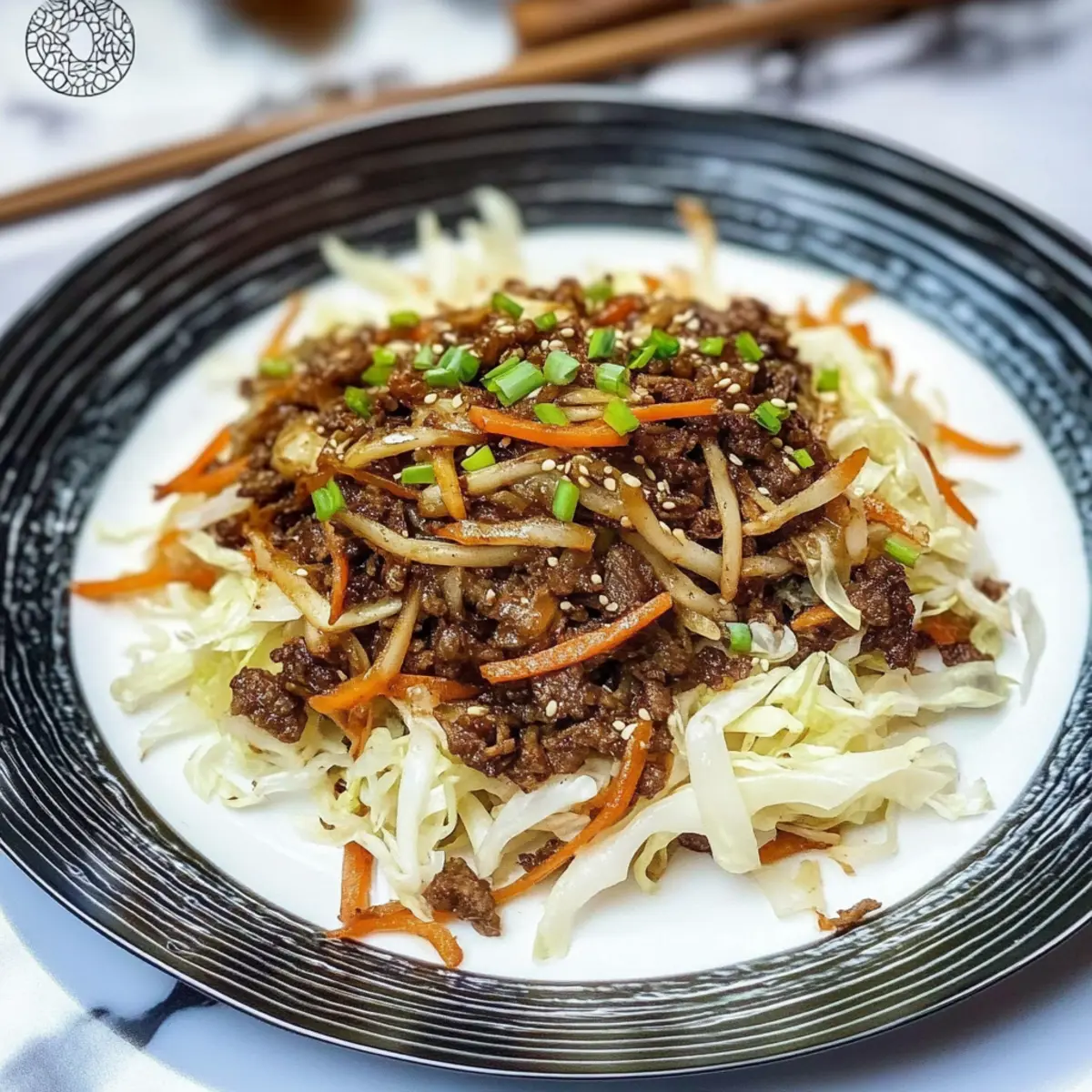
Expert Tips for Sauteed Beef with Bean Sprouts and Cabbage
-
Prep Ahead: Ensure you have all vegetables ready before cooking starts; they cook quickly and should remain crisp.
-
Adjust Spice Levels: For those who enjoy a kick, add gochujang or chili flakes to the sauce to enhance the flavor of your Sauteed Beef with Bean Sprouts and Cabbage.
-
Choose the Right Beef: If using lean ground beef (like 92/8), a light drizzle of oil in the skillet can prevent sticking and enhance browning.
-
Taste as You Go: Always taste the sauce before adding it to ensure the balance of flavors suits your preference; adjust sweetness or saltiness if needed.
-
Don’t Overcook: Quickly stir-fry the vegetables for just a minute or two; they should be tender yet crisp for the best texture contrast in the dish.
Make Ahead Options
This Korean-style Sauteed Beef with Bean Sprouts and Cabbage is an excellent choice for meal prep! You can pre-make the sauce and store it in the refrigerator for up to 3 days. Simply mix together the soy sauce, brown sugar, sesame oil, and ginger as directed, allowing the flavors to meld beautifully. Additionally, you can chop the vegetables (carrots, cabbage, and bean sprouts) up to 24 hours in advance to save even more time. When you’re ready to finish the dish, sauté the beef and garlic, add the prepped vegetables, and pour in your sauce. This way, you’ll enjoy a quick, delicious meal without losing quality—just as vibrant and tasty as if you made it all at once!
Sauteed Beef with Bean Sprouts Variations
Feel free to add your personal touch to this delightful dish, making it even more enjoyable for your family!
-
Gluten-Free: Use coconut aminos instead of soy sauce for a savory flavor without the gluten.
-
Paleo-Friendly: Substitute brown sugar with raw honey or maple syrup, maintaining the sweetness while keeping it in line with paleo principles.
-
Extra Crunch: Toss in sliced bell peppers or zucchini beside the carrots. They add great texture and vibrant color!
-
Spicy Kick: Stir in a teaspoon of gochujang or chili flakes to the sauce for a delightful heat upgrade sure to satisfy spice lovers.
-
Lean Proteins: Swap ground beef for ground turkey or chicken, creating a lighter version that doesn’t skimp on flavor.
-
Mix Up the Veggies: Think creatively! Add broccoli florets or snap peas for a different crunch and nutrition boost.
-
Rice Alternatives: Serve the dish over quinoa or cauliflower rice for a fun, low-carb twist while keeping that satisfying feel.
-
Flavor Infusion: For a deeper umami, add a splash of fish sauce or a dash of sesame seeds at the end. It’s a delightful touch!
These variations are just the beginning—let your taste buds guide you! If you’re looking for more delicious side options to pair with this dish, consider my recipes for Spring Roll Salad or a tasty Brie Tart Pancetta. Enjoy your cooking adventure!
What to Serve with Korean-style Sauteed Beef with Bean Sprouts and Cabbage
There’s nothing quite like creating a well-rounded meal that tantalizes the taste buds and warms the heart.
-
Fluffy Jasmine Rice: The subtle, fragrant rice absorbs the savory sauce beautifully, adding a comforting layer to your meal. It provides a perfect base to soak up the bold flavors.
-
Spicy Kimchi: This tangy fermented side dish adds a delightful crunch and a kick of heat, balancing the richness of the beef beautifully. It’s a staple in Korean cuisine that enhances every bite.
-
Steamed Broccoli: With its fresh, crisp texture, broccoli not only complements the dish but also adds vibrant color. A sprinkle of sesame seeds can elevate its presentation and flavor.
-
Garlic Soy Cucumber Salad: This refreshing salad brings a cooling contrast to the warm beef, offsetting the dish’s richness. Tossed in a light dressing, it’s both simple and satisfying.
-
Crispy Lettuce Wraps: Use fresh lettuce leaves to wrap the beef and vegetable mixture for an interactive meal. They add a fun crunch and freshness that’s delightful on the palate.
-
Chilled Buckwheat Noodles (Naengmyeon): These chewy noodles provide an appealing contrast, absorbing the flavors and adding a gentle chewiness to your meal. Serve them cold with dipping sauce for a refreshing side.
-
Chardonnay or Soju: Pairing a crisp glass of Chardonnay or a chilled shot of Soju enhances the dining experience, offering a delightful contrast to the savory elements of beef and veggies.
With these delightful pairings, you’ll create a truly memorable meal perfect for any occasion!
Storage Tips for Sauteed Beef with Bean Sprouts and Cabbage
Fridge: Store leftovers in an airtight container for up to 3 days. Make sure the dish has cooled completely before sealing to prevent condensation.
Freezer: For longer storage, freeze the Sauteed Beef with Bean Sprouts and Cabbage in a freezer-safe container. It can last for up to 3 months.
Reheating: When ready to enjoy, defrost overnight in the fridge, then reheat in a skillet over medium heat until warmed through. Add a splash of water or broth to restore moisture.
Serving Suggestion: This dish is best served fresh but can still be delightful after storage, bringing a satisfying warmth to your weeknight meals.
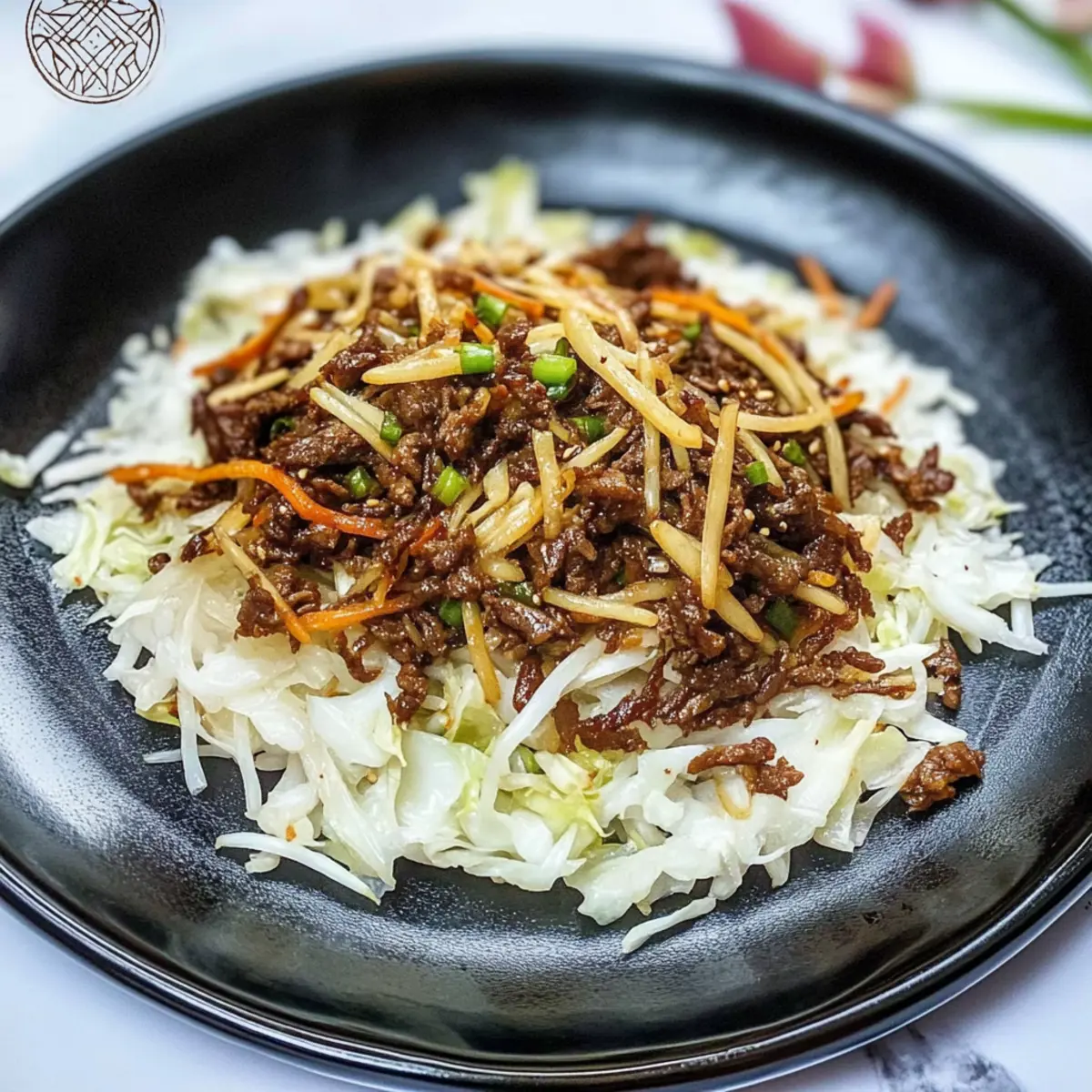
Korean-style Sauteed Beef with Bean Sprouts and Cabbage Recipe FAQs
How do I choose the right beef for this recipe?
Absolutely! When selecting ground beef, aim for higher-fat content, like 80/20 or 85/15, which helps keep the meat juicy during cooking. If you prefer a leaner option, ground turkey or chicken works great too—just be aware that they may require a little extra seasoning due to being milder in flavor.
How should I store leftovers from this dish?
Very good question! Store any leftovers in an airtight container in the fridge for up to 3 days. Make sure the beef and vegetable mixture has cooled completely before sealing. This helps to maintain freshness and avoid any sogginess.
Can I freeze the Sauteed Beef with Bean Sprouts and Cabbage?
Yes, you can! To freeze, place the cooled dish into a freezer-safe airtight container or heavy-duty freezer bag. It will stay good for up to 3 months. When you’re ready to enjoy it, simply thaw overnight in the fridge and reheat it in a skillet over medium heat, adding a splash of water or broth to restore moisture.
What if I can’t find fresh bean sprouts?
The more the merrier! While fresh bean sprouts do provide that wonderful crunch and freshness, you can substitute them with snow peas or thinly sliced sugar snap peas. They won’t exactly mimic the taste, but they will maintain a lovely texture in your dish!
Are there any dietary concerns I should be aware of?
It’s always great to be mindful! This recipe is naturally gluten-free if you use coconut aminos instead of soy sauce. For those with soy allergies, you’ll want to stick to the coconut aminos. Also, the dish is paleo-friendly as it doesn’t use any processed ingredients.
How long can I keep this dish in the fridge?
As mentioned before, you can store it in the fridge for up to 3 days. It’s always best to eat it sooner rather than later to enjoy the vibrant flavors and ensure the vegetables maintain their nice, crisp texture!
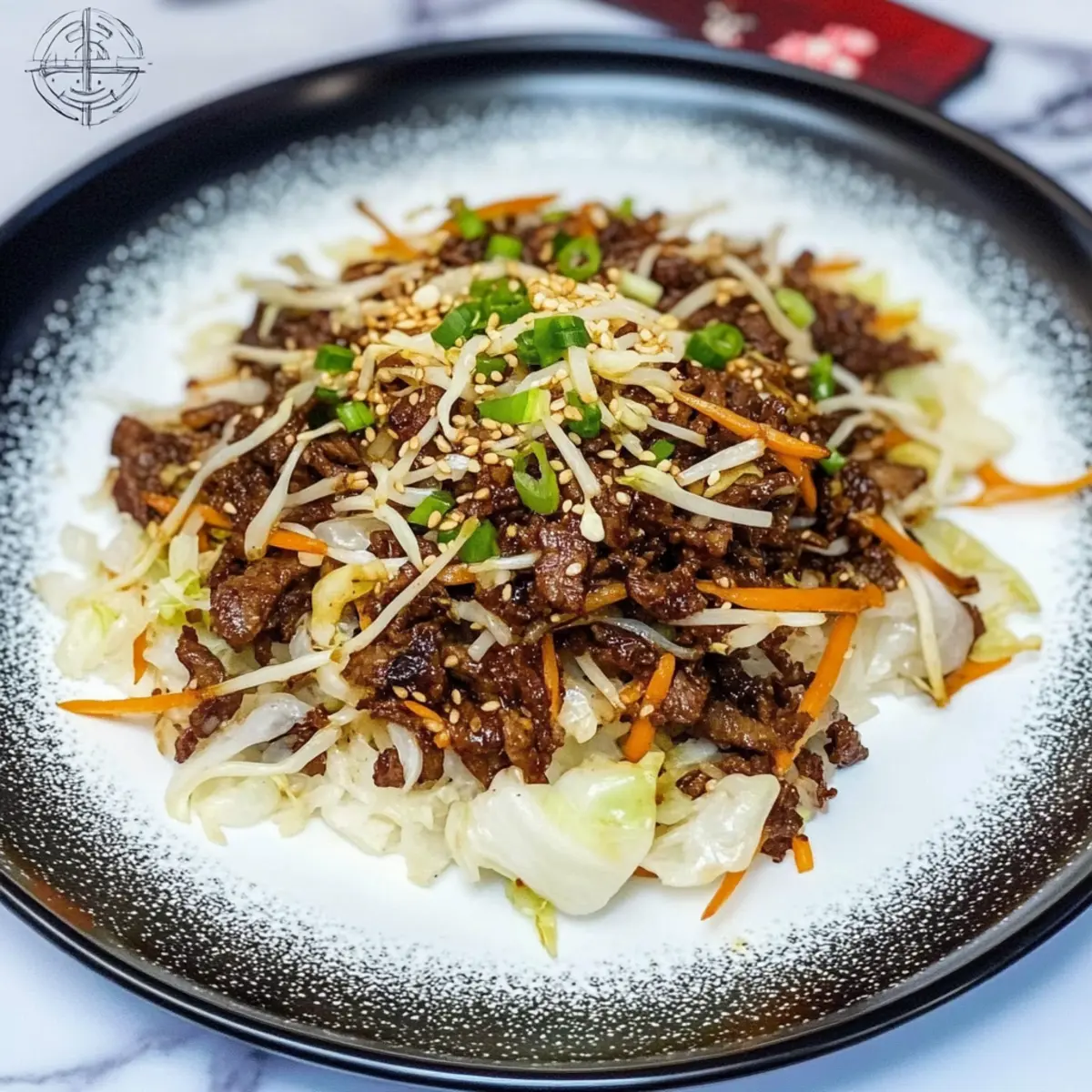
Delicious Sauteed Beef with Bean Sprouts and Cabbage Magic
Ingredients
Equipment
Method
- In a medium bowl, whisk together soy sauce, brown sugar, sesame oil, and grated fresh ginger until sugar dissolves.
- Heat a large skillet over medium heat for 1-2 minutes, then add ground beef. Cook for 5-7 minutes until browned, stirring frequently.
- In the last minute of cooking beef, stir in minced garlic.
- Increase heat to high and add julienned carrots, sautéing for 1 minute.
- Then add shredded cabbage and bean sprouts, cooking for another minute until vegetables slightly soften.
- Reduce heat to medium, pour the prepared sauce over beef and vegetables, tossing gently. Cook for another 1-2 minutes.
- Remove skillet from heat and serve immediately over rice.
Leave a Reply