
As I stood in my kitchen, the warm scent of lemon and lavender enveloped me, instantly transporting me to a serene spring garden. This Lemon Lavender Cake is your go-to recipe for capturing that lush, floral essence in a delightful dessert. With a tender crumb and a bright citrusy kick, this cake is not just a feast for the taste buds but also a visual delight that’s perfect for tea parties or family gatherings. What’s more, it’s incredibly easy to whip up, so you can impress your guests without spending all day in the kitchen. Ready to dive into this refreshing and elegant citrus dessert? Let’s bake something magical together!
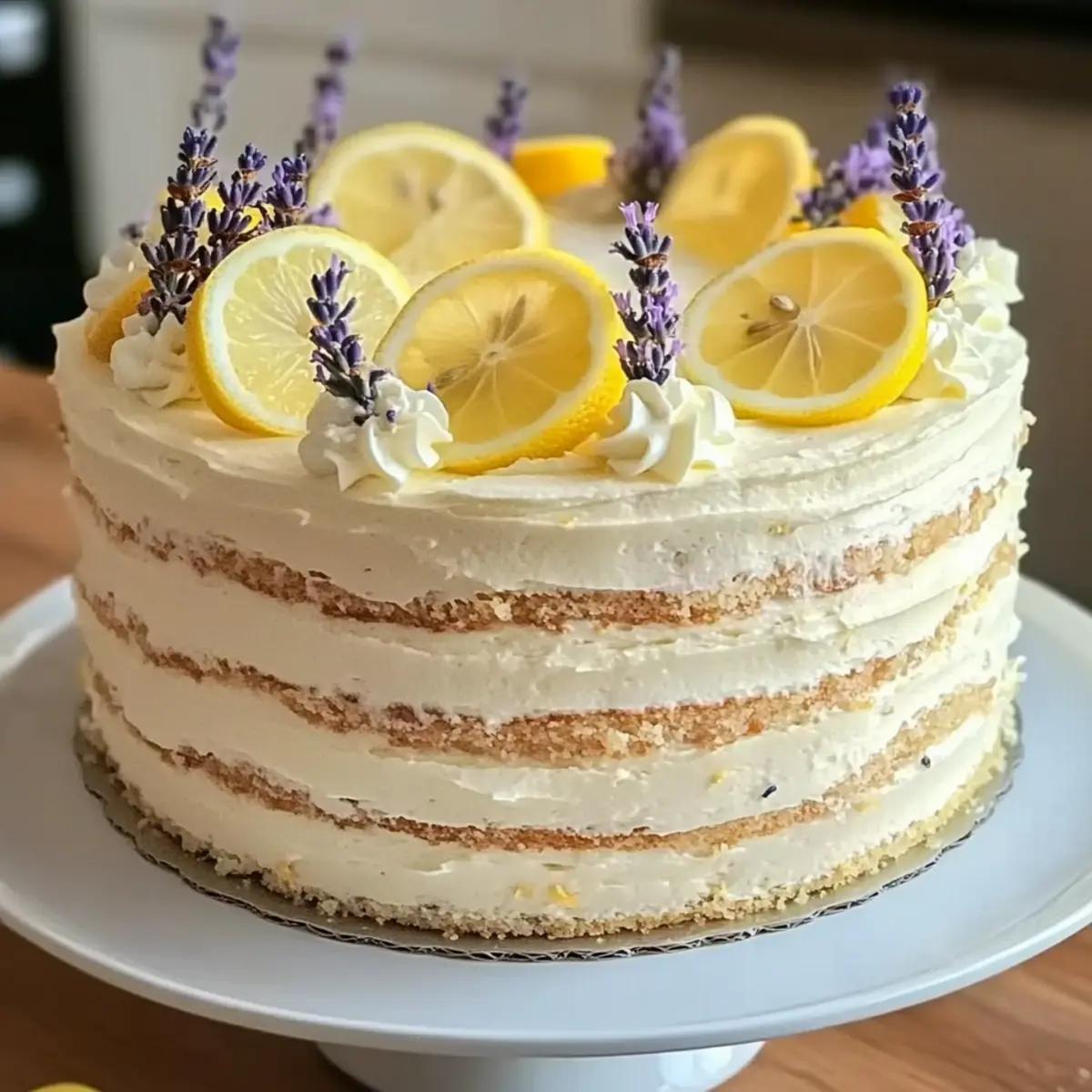
Why is Lemon Lavender Cake special?
Unique Flavor: This cake combines bright citrus notes with intriguing floral undertones, creating a truly distinctive dessert that tantalizes your taste buds.
Effortless Baking: With simple and accessible ingredients, even novice bakers can impress guests without breaking a sweat.
Perfect for Any Occasion: Whether it’s a spring picnic or an afternoon tea, this cake is versatile enough to shine at any gathering.
Customizable Delight: Easily swap lavender for rosemary or play with different citrus flavors to make it your own.
Beautiful Presentation: It begs to be showcased, sprinkled with lemon zest and edible flowers for a stunning visual impact.
For more delightful desserts, check out my recipe for Mini Lemon Cheesecakes or dive into the world of light flavors with the Lemon Poppy Seed Cake.
Lemon Lavender Cake Ingredients
Note: Gather these essentials to craft your delightful Lemon Lavender Cake!
For the Cake
• All-purpose flour – crucial for the cake’s structure; gluten-free flour blends can work as a substitute.
• Baking powder – a leavening agent that helps the cake rise; don’t swap it with baking soda directly.
• Baking soda – enhances lift when paired with acidic ingredients; make sure it’s fresh for best results.
• Salt – amplifies flavor; always essential for balance, so keep it in!
• Unsalted butter (softened) – brings richness and moisture; consider margarine for a dairy-free option.
• Granulated sugar – adds sweetness; replace part with brown sugar for a deeper flavor.
• Large eggs – provides structure and moisture; you can try flax eggs for a vegan alternative.
• Fresh lemon juice – brightens the cake; fresh offers the best flavor over bottled.
• Lemon zest – an aromatic flavor booster; skipping it could dull the lemony taste.
• Whole milk – contributes moisture and richness; buttermilk can add a nice tang.
• Dried lavender buds (culinary grade) – imparts floral flavor; ensure it’s culinary-grade to be safe.
For the Glaze and Frosting
• Powdered sugar – used for sweetness in the glaze and frosting; sift it for a smoother texture.
• Heavy cream – provides creaminess for that fluffy buttercream; coconut cream is a great alternative!
• Vanilla extract – enhances complexity in flavor; always prefer pure extract for the best outcome.
Prepare to create a stunning Lemon Lavender Cake that captivates all your senses!
Step‑by‑Step Instructions for Lemon Lavender Cake
Step 1: Preheat the Oven
Begin by preheating your oven to 350°F (175°C). While the oven warms up, grease and flour two 9-inch round cake pans to ensure your Lemon Lavender Cake releases easily after baking. This preparation will help you achieve a perfectly moist cake with a delicate crumb, ready for the next steps.
Step 2: Infuse the Milk with Lavender
In a small saucepan, heat 1 cup of whole milk over medium heat until just simmering. Add 2 tablespoons of culinary-grade dried lavender buds, removing the pan from heat, and let the mixture steep for 5 minutes. Once the time is up, strain the milk to remove the lavender, allowing it to cool before proceeding with your cake batter.
Step 3: Combine Dry Ingredients
Take a large mixing bowl and sift together 2 cups of all-purpose flour, 2 teaspoons of baking powder, 1/2 teaspoon of baking soda, and 1/4 teaspoon of salt. This step is crucial for ensuring your dry ingredients are evenly distributed, which will give your Lemon Lavender Cake a light, airy texture. Set this bowl aside as you prepare the wet ingredients.
Step 4: Cream Butter and Sugar
In a separate mixing bowl, using an electric mixer, cream together 1/2 cup of softened unsalted butter and 1 cup of granulated sugar until the mixture is light and fluffy, about 3-4 minutes. Add 3 large eggs one at a time, mixing well after each addition. Finally, blend in 1/4 cup of fresh lemon juice, 1 tablespoon of lemon zest, and 1 teaspoon of vanilla extract for enhanced flavor before moving on.
Step 5: Mix in Dry Ingredients and Lavender Milk
Gradually fold the dry ingredients into the butter mixture, alternating with the lavender-infused milk. Start and finish with the dry ingredients, mixing until just combined. Be careful not to overmix; you want your Lemon Lavender Cake batter to remain light and airy for the best results.
Step 6: Bake the Cake
Evenly divide the batter between the prepared cake pans and smooth the tops with a spatula. Bake in your preheated oven for 25-30 minutes, or until a toothpick inserted into the center of the cakes comes out clean. This is a perfect moment to enjoy the delightful aroma of floral notes filling your kitchen.
Step 7: Cool the Cakes
Once baked, remove the cakes from the oven and let them cool in their pans for about 10 minutes. Carefully turn them out onto a wire rack to cool completely. This step ensures they maintain their structure and texture, making your Lemon Lavender Cake easier to frost and assemble.
Step 8: Prepare the Glaze
In a medium bowl, whisk together 1 cup of powdered sugar, 2 tablespoons of fresh lemon juice, 1 teaspoon of lemon zest, and 1 teaspoon of dried lavender until smooth. This glaze will add a sweet, tangy finish to your cake, so set it aside once prepared, allowing it to thicken slightly while you make the buttercream frosting.
Step 9: Make the Buttercream Frosting
In a large bowl, beat 1/2 cup of softened unsalted butter until creamy. Gradually add 3 cups of powdered sugar, mixing until well combined. Stir in 2 tablespoons of heavy cream, 1 tablespoon of lemon juice, 1 teaspoon of lemon zest, and 1 teaspoon of dried lavender to create a fluffy buttercream. This combination will beautifully accent the flavors in your Lemon Lavender Cake.
Step 10: Assemble and Decorate the Cake
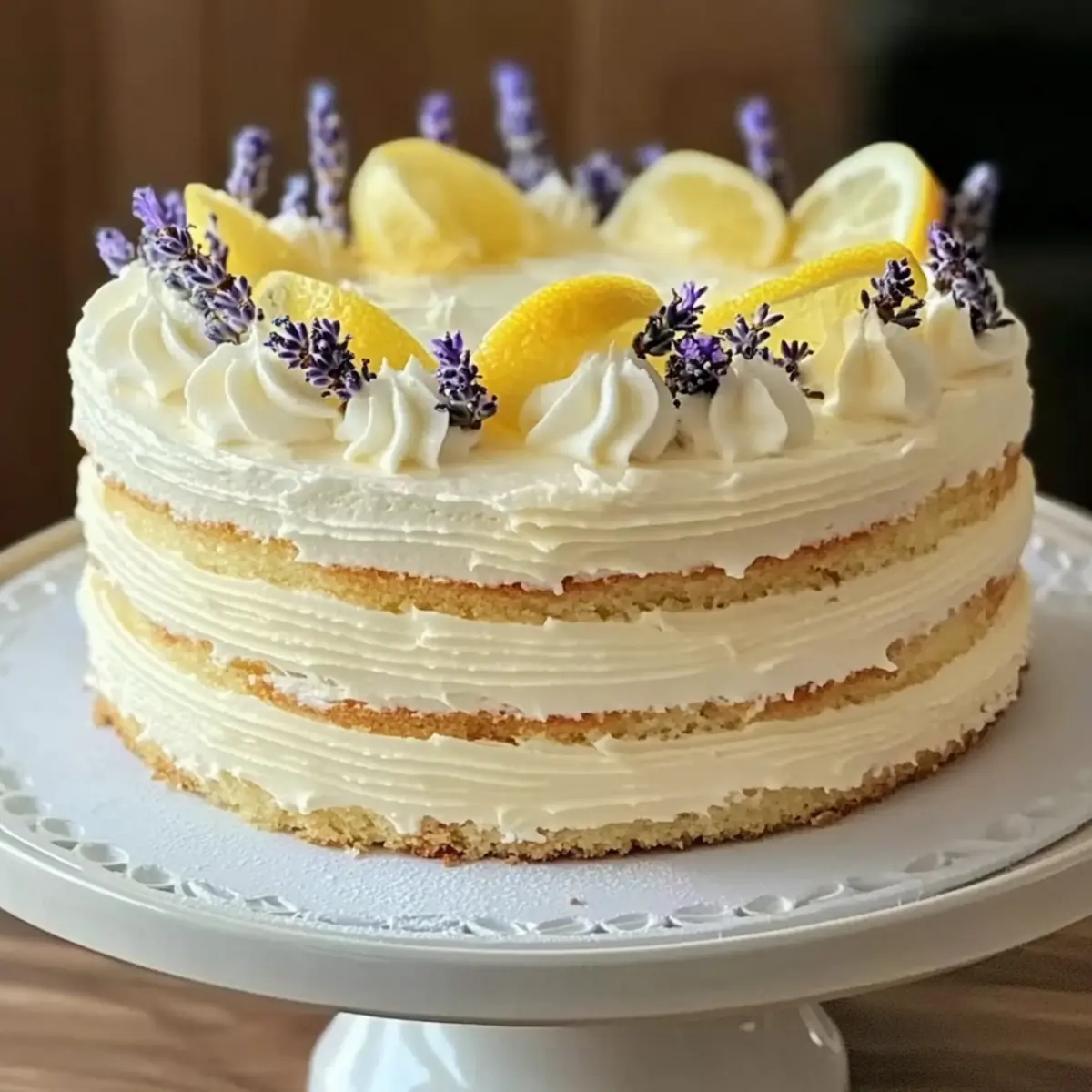
Place one cake layer on a serving platter and spread a generous layer of buttercream frosting on top. Position the second layer on top, then drizzle the prepared glaze over the entire cake. For a lovely finish, garnish with additional lemon zest and edible lavender flowers. Your stunning Lemon Lavender Cake is now ready to take center stage at any gathering!
Expert Tips for Lemon Lavender Cake
Flavor Infusion: Always steep lavender in warm milk for at least 5 minutes to extract the fullest flavor without overpowering the cake.
Mixing Caution: Avoid overmixing the batter, as this can lead to a dense Lemon Lavender Cake. Mix just until combined for a light texture.
Fresh Ingredients: Use fresh lemon juice and zest to maximize the cake’s bright flavors; this small detail can make a significant difference in taste.
Baking Time: Check your cake a few minutes early; if you prefer a moister cake, it’s better to under-bake slightly than to overdo it.
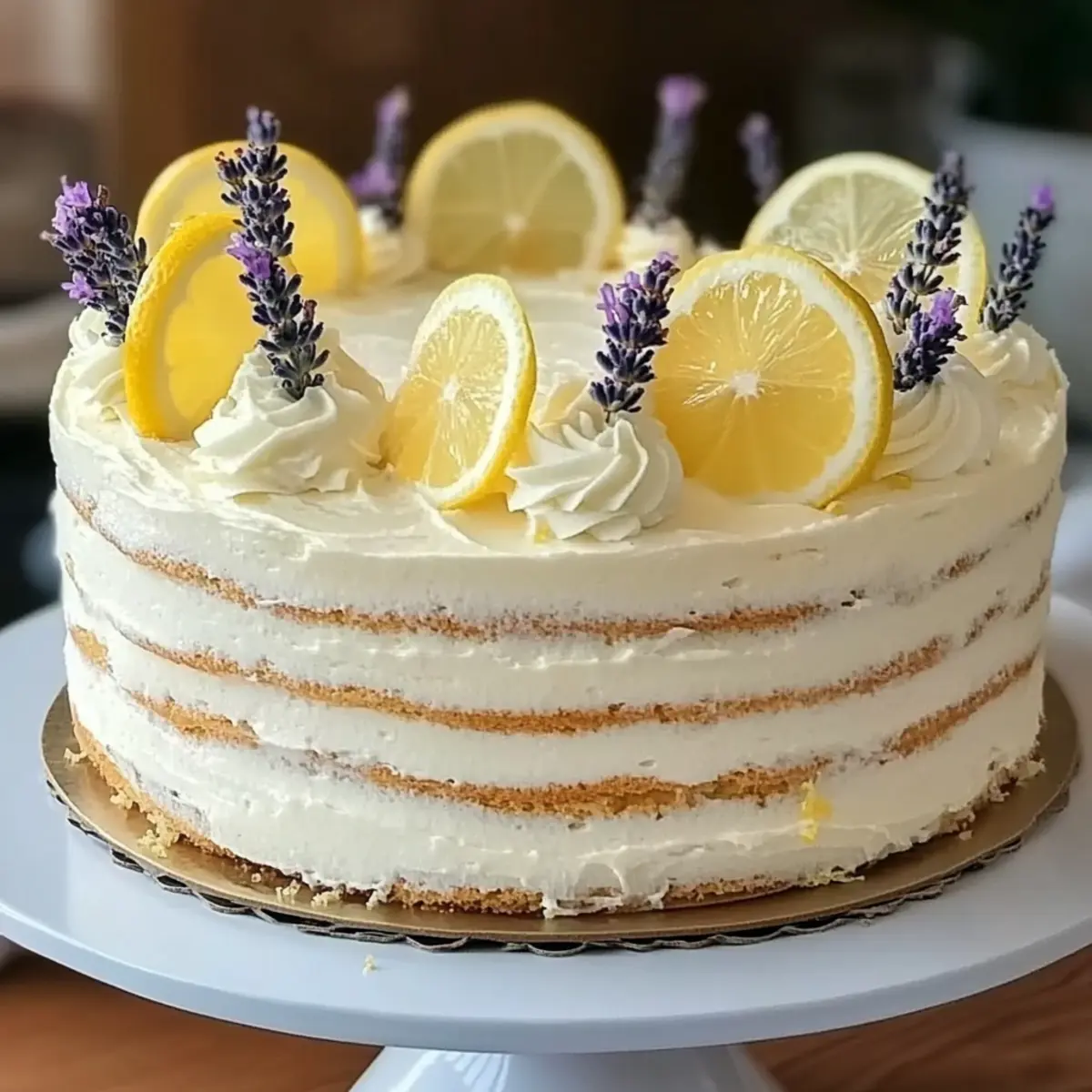
Presentation Tips: Decorate your cake with edible flowers and extra lemon zest to create a visually appealing dessert that’s as delightful to look at as it is to eat.
How to Store and Freeze Lemon Lavender Cake
Fridge: Store leftovers in an airtight container in the refrigerator for up to 4 days to maintain freshness and moisture.
Freezer: If you have leftover cake layers, wrap them tightly in plastic wrap and aluminum foil, then freeze for up to 2 months. Thaw in the fridge before serving for the best texture.
Reheating: To enjoy a slice of your Lemon Lavender Cake warm, microwave it for about 10-15 seconds or place in a preheated oven at 300°F (150°C) until warmed through.
Frosted Cake: If you’ve already frosted your cake, refrigerate it for up to 4 days. The frosting will help keep the cake moist and flavorful.
Lemon Lavender Cake Customizations
Feel free to get creative and make this delightful recipe your own with these fun substitutions and variations!
-
Citrus Swap: Substitute half of the lemon juice with fresh orange juice for a sweeter, fruitier flavor.
This will add a beautiful brightness to the cake, enhancing the citrus experience without overpowering the delicate lavender notes. -
Herb Twist: Replace dried lavender with finely chopped fresh rosemary for a more savory profile.
The aromatic rosemary will provide a delightful contrast to the cake’s sweetness, offering a unique herbal twist. -
Nutty Addition: Fold in 1/2 cup of finely chopped almonds or walnuts for added texture.
This will bring a satisfying crunch to the soft cake, balancing the buttery crumb with a delightful bite. -
Sweet Cream Cheese Frosting: For a tangy contrast, try swapping the buttercream with a cream cheese frosting.
The creamy, slightly tangy flavor will complement the cake beautifully, elevating its overall deliciousness. -
Floral Flavor Boost: Add an extra teaspoon of culinary-grade dried lavender to the batter for a more pronounced floral flavor.
This will deepen the lavender essence, making every bite bursting with aromatic delight. -
Zesty Enhancement: More lemon zest can be added to the glaze for an even brighter finish.
Extra zest will enhance the cake’s citrus profile and add a vibrant splash of color to the glaze. -
Spiced Variation: Incorporate a dash of cardamom or ginger, which will provide warmth and depth to the flavor profile.
The spices will add an exciting pop that perfectly complements the citrus and floral notes.
If you’re looking for more lemony goodness, why not indulge in some Mini Lemon Cheesecakes or explore the delightful Lemon Poppy Seed Cake? There’s no wrong way to bake!
What to Serve with Lemon Lavender Cake
Let the magic of your Lemon Lavender Cake take center stage while you create a full meal to savor and share!
- Fresh Berries: Juicy strawberries, blueberries, or raspberries add a burst of freshness and a sweet-tart balance to the cake’s floral notes.
- Herbal Iced Tea: Refreshing lavender or mint iced tea complements the cake’s flavors, providing a cool, fragrant contrast to the sweetness.
- Lemon Sorbet: A light and zesty scoop of lemon sorbet enhances the citrus notes and adds an icy texture, making it a perfect palate cleanser.
- Charming Cheese Platter: Include creamy brie or tangy goat cheese, which offer a delightful savory contrast to the sweet cake, creating a well-rounded experience.
- Mini Fruit Tarts: Bright fruit tarts with a buttery crust harmonize wonderfully with the cake’s flavors, tempting guests with their vibrant colors and textures.
- Sweet Almond Biscotti: Crunchy almond biscotti offer a satisfying crunch and a nutty flavor that pairs beautifully with a cup of coffee served with the cake.
- Sparkling Lemonade: A bubbly glass of sparkling lemonade adds a festive touch, echoing the cake’s citrus theme and making everything feel celebratory.
- Lavender Honey Ice Cream: Creamy ice cream infused with lavender and honey gives a rich finish, seamlessly tying together the floral theme of your dessert.
Make Ahead Options
The Lemon Lavender Cake is fantastic for meal prep, helping you save time for busy weeknights or unexpected gatherings. You can prepare the cake layers up to 24 hours in advance; simply let them cool, wrap each layer tightly in plastic wrap, and refrigerate. The lavender-infused milk can also be made 1-2 days ahead and stored in the fridge to maintain its flavor. When you’re ready to serve, allow the cake layers to come to room temperature, then finish by frosting with buttercream and drizzling the glaze right before your event. This way, you’ll have a stunning dessert that tastes just as delicious, and your guests will be none the wiser about the prep work!
Lemon Lavender Cake Recipe FAQs
How do I choose ripe lemons for my Lemon Lavender Cake?
Absolutely! Look for lemons that are bright yellow, firm to the touch, and slightly heavy for their size. Avoid any with dark spots or wrinkles; these can indicate overripeness. Fresh, juicy lemons will provide the best flavor and zest for your cake!
What is the best way to store leftover Lemon Lavender Cake?
To keep your cake fresh, store it in an airtight container in the refrigerator for up to 4 days. This will help preserve its moisture and delicate flavors. If you have cake layers left over, you can wrap them tightly in plastic wrap and aluminum foil; they will stay fresh in the freezer for up to 2 months. Just thaw them in the fridge before enjoying again for optimal texture.
Can I freeze the Lemon Lavender Cake? If so, how?
Yes, you can definitely freeze your Lemon Lavender Cake! First, allow it to cool completely. Wrap the individual cake layers tightly with plastic wrap, then secure each layer in a layer of aluminum foil. Place in the freezer, where it can last up to 2 months. When you’re ready to enjoy, transfer the layers to the fridge to thaw overnight, or sit them on the countertop for a quicker thaw.
What if my cake doesn’t rise properly?
Oh no! If your cake is dense or doesn’t rise as expected, it could be due to a few common factors. Firstly, ensure your baking powder is fresh; this leavening agent has a shelf life of about 6-12 months. Mixing too much can also create a denser cake, so mix until combined. If you substituted ingredients, like using gluten-free flour, that could affect the rise. Always double check your measurements and technique for the best results!
Are there any allergy considerations for this recipe?
Very important question! The Lemon Lavender Cake contains common allergens such as eggs, dairy, and gluten from all-purpose flour. For dairy-free options, you can substitute unsalted butter with margarine and use plant-based milk. If you’re vegan, a flax egg or commercial egg replacer can replace regular eggs. Always be sure to check for culinary-grade lavender and confirm all ingredients meet your dietary needs.
How long can I keep my Lemon Lavender Cake at room temperature?
If your cake is uncut and stored properly (in a cool, dry place, covered lightly), it can be kept at room temperature for about 1-2 days. However, to maintain its best flavor and moisture, I recommend refrigerating any leftovers after that time, especially if you’re in a warm climate.
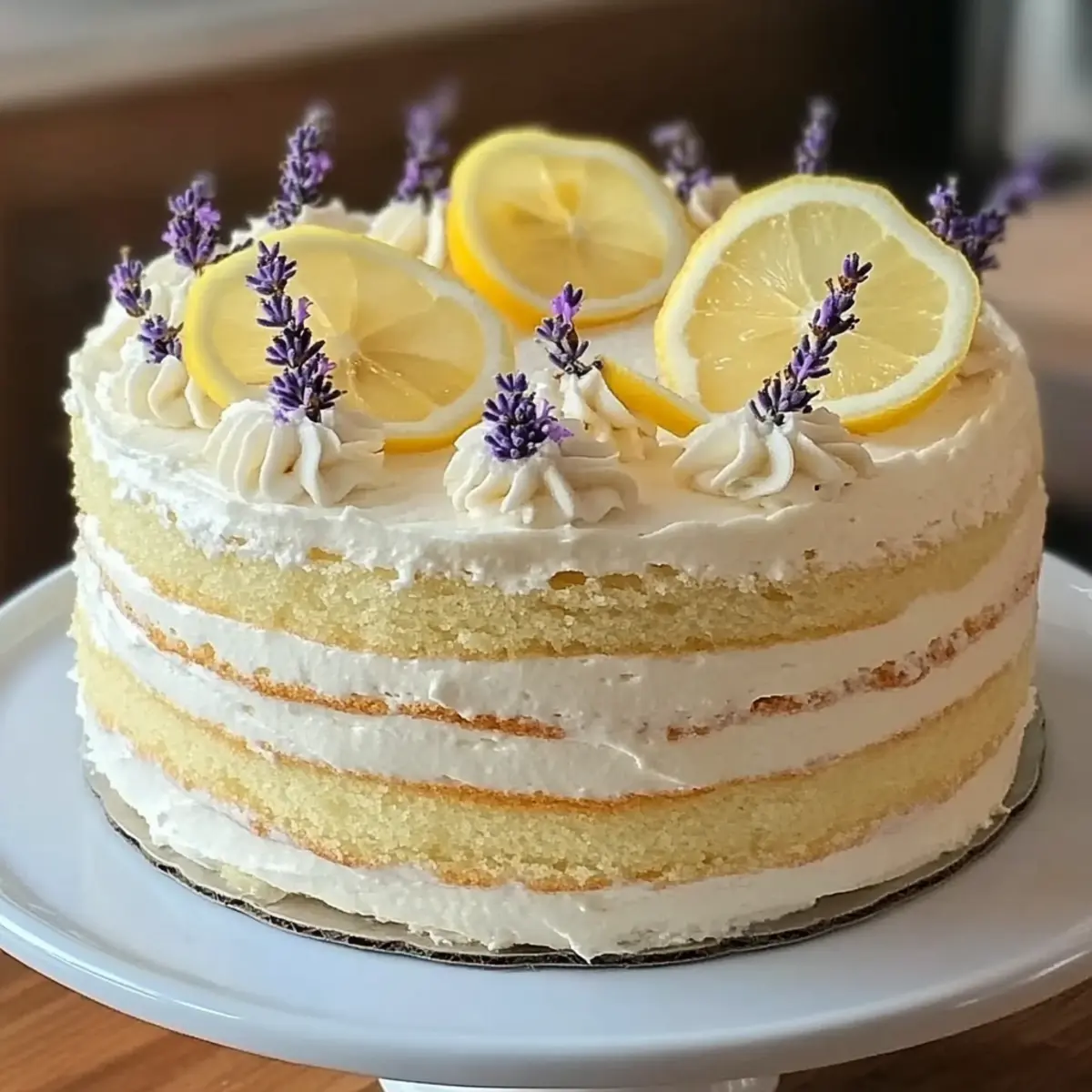
Lemon Lavender Cake: A Refreshing Twist for Sweet Moments
Ingredients
Equipment
Method
- Preheat your oven to 350°F (175°C) and grease/flour two 9-inch round cake pans.
- Heat 1 cup of whole milk in a saucepan until just simmering. Add 2 tablespoons of lavender, remove from heat, and let steep for 5 minutes. Strain and cool.
- Sift together 2 cups of flour, 2 teaspoons baking powder, 1/2 teaspoon baking soda, and 1/4 teaspoon salt in a large mixing bowl.
- Cream together 1/2 cup softened butter and 1 cup granulated sugar until light and fluffy. Add 3 eggs, one at a time, followed by 1/4 cup lemon juice, 1 tablespoon lemon zest, and 1 teaspoon vanilla.
- Gradually mix the dry ingredients into the butter mixture, alternating with the lavender-infused milk, until just combined.
- Divide the batter between the pans and bake for 25-30 minutes or until a toothpick comes out clean.
- Cool the cakes in the pans for about 10 minutes, then turn out onto a wire rack.
- Whisk together 1 cup powdered sugar, 2 tablespoons lemon juice, 1 teaspoon lemon zest, and 1 teaspoon lavender for the glaze.
- Beat 1/2 cup butter until creamy, then mix in 3 cups powdered sugar, 2 tablespoons heavy cream, 1 tablespoon lemon juice, and lavender to make the buttercream.
- Assemble the cake by spreading buttercream on one layer, topping with the second layer, and drizzling with glaze. Garnish with lemon zest and edible flowers.
Leave a Reply